How Squishy Toys Are Manufactured: From Design to Bulk Production
Explore how squishy toys are manufactured in China, from product design and mould development to material selection, production, quality checks and packaging.
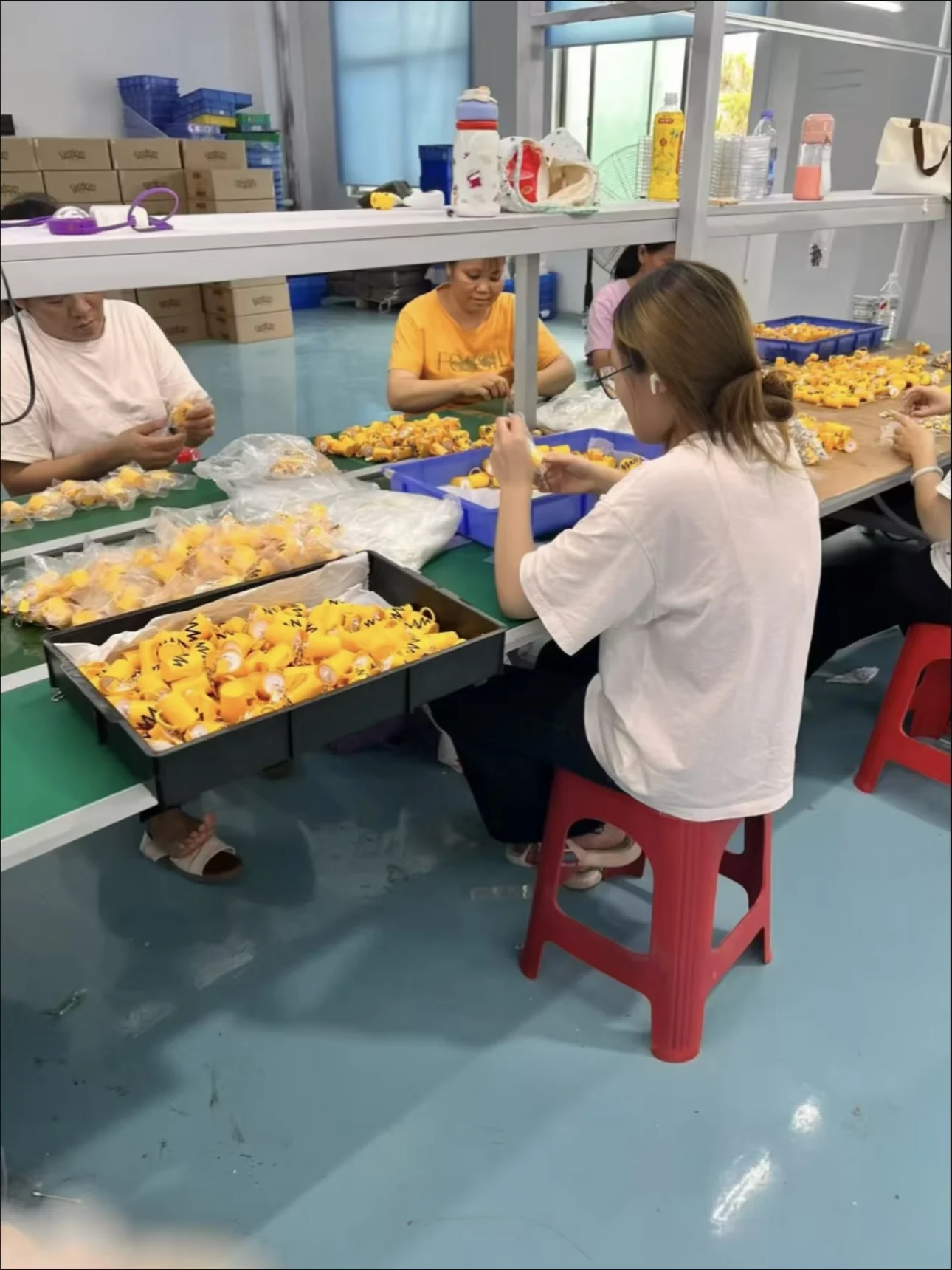
At Tovimori Toys, squishy toy manufacturing brings together creative product design, material selection, mould development, production planning, quality control, and packaging.
For international wholesalers, importers, distributors, and private label brands, understanding how squishy toys are made is an important part of evaluating a manufacturing partner.
Different squishy toys can require different materials and production methods. A slow-rising foam toy, for example, is not manufactured in exactly the same way as a soft elastomer squeeze toy with a separate filling.
In this guide, we explain the major stages of squishy toy manufacturing, what makes each stage important, and what buyers should confirm before placing a bulk production order.
1. Product Design and Development
Every manufacturing project begins with defining the product.
For existing catalogue designs, buyers can select products that already have established shapes and specifications.
For custom OEM/ODM projects, development begins with understanding the buyer's ideas, intended market, and product requirements.
What Goes Into a Product Design Brief?
A useful product brief should include:
- Product concept: Reference photos, sketches, or character artwork.
- Dimensions: Expected height, width, and thickness.
- Appearance: Shape, colours, expressions, and surface details.
- Texture: The intended squeezing and rebound experience.
- Material preferences: Requirements relevant to the product design.
- Packaging: Retail bags, boxes, gift packs, or other formats.
- Destination market: Country, target users, and applicable product requirements.
- Estimated quantity: Expected order volume and repeat-order plans.
A clear design brief helps the factory evaluate technical feasibility before committing to sample development or tooling.
Existing Designs vs. Original Designs
| Development Route | Typical Requirements |
|---|---|
| Existing catalogue product | Confirm SKU, specifications, quantity, and packaging |
| Existing design with branding | Review logo, labels, artwork, and packaging |
| Modified product design | Evaluate shape, dimensions, and production feasibility |
| Original OEM/ODM design | Review artwork, mould requirements, samples, and production planning |
Factory Tip: For custom projects, provide multiple views of the product whenever possible. Front, side, and three-quarter references help communicate the intended appearance.
Explore Tovimori Toys OEM/ODM Services
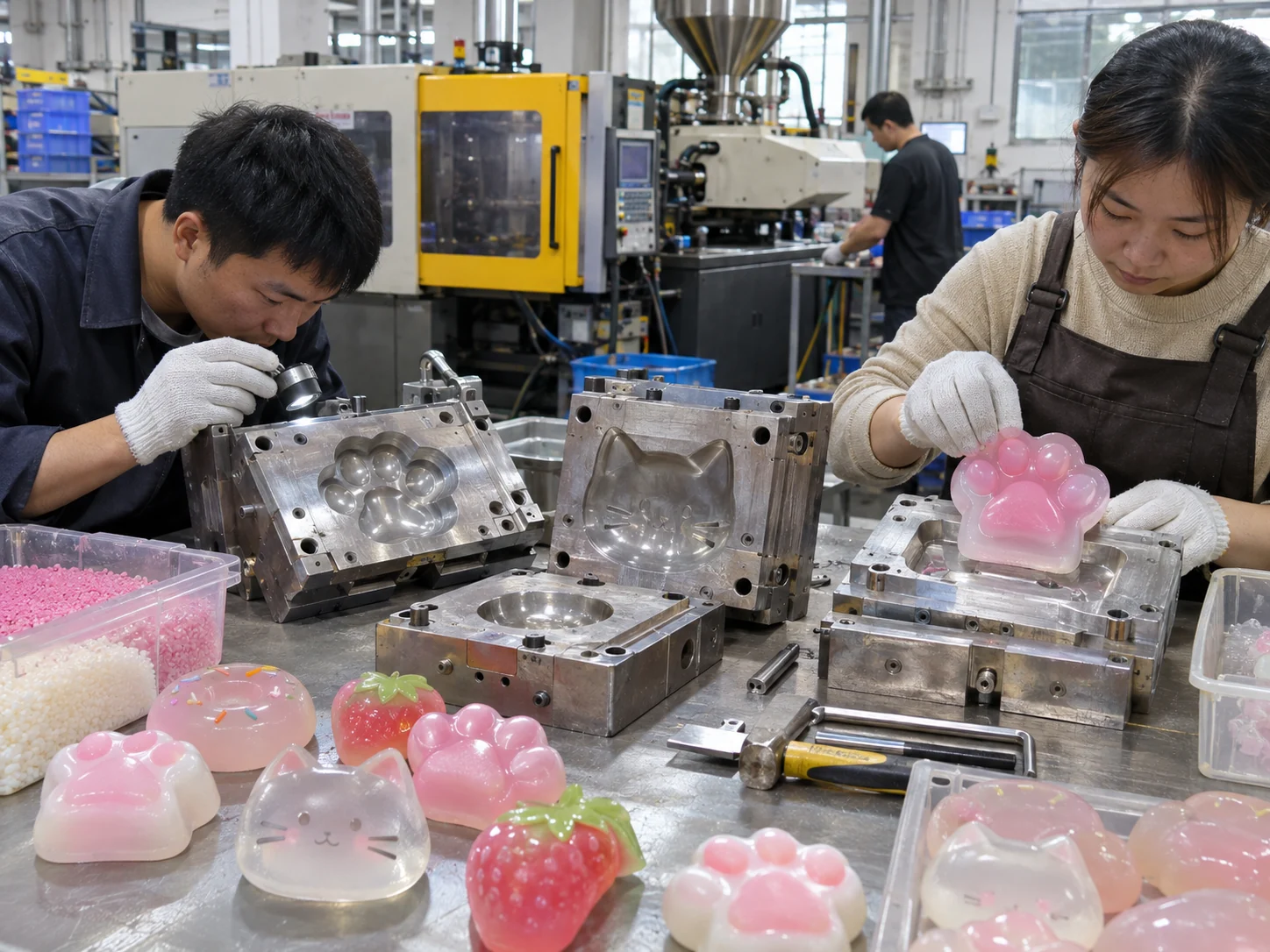
2. Mould Development and Product Shaping
A mould is one of the most important tools in manufacturing many shaped squishy toys.
It defines the product's geometry and helps reproduce the selected design during production.
Mould requirements depend on the selected material, product structure, manufacturing method, and required surface details.
What Buyers Should Know About Moulds
Mould development may involve:
- Reviewing the product's shape and dimensions.
- Evaluating the selected manufacturing process.
- Preparing production-ready design information.
- Determining suitable mould construction.
- Producing trial samples.
- Reviewing and adjusting the results before mass production.
For projects using an existing design, suitable tooling may already be available.
An original design may require new tooling, which can affect the development budget, minimum order quantity, and production schedule.
Why Mould Quality Matters
A properly developed mould helps support:
- Consistent product dimensions.
- Repeatable product shapes.
- Defined surface features.
- Efficient production.
- More consistent finished products.
Buyer Tip: Before approving tooling for a custom product, confirm which design details are included and how sample revisions will be handled.
3. Choosing the Right Squishy Toy Material
Not all squishy toys use the same material.
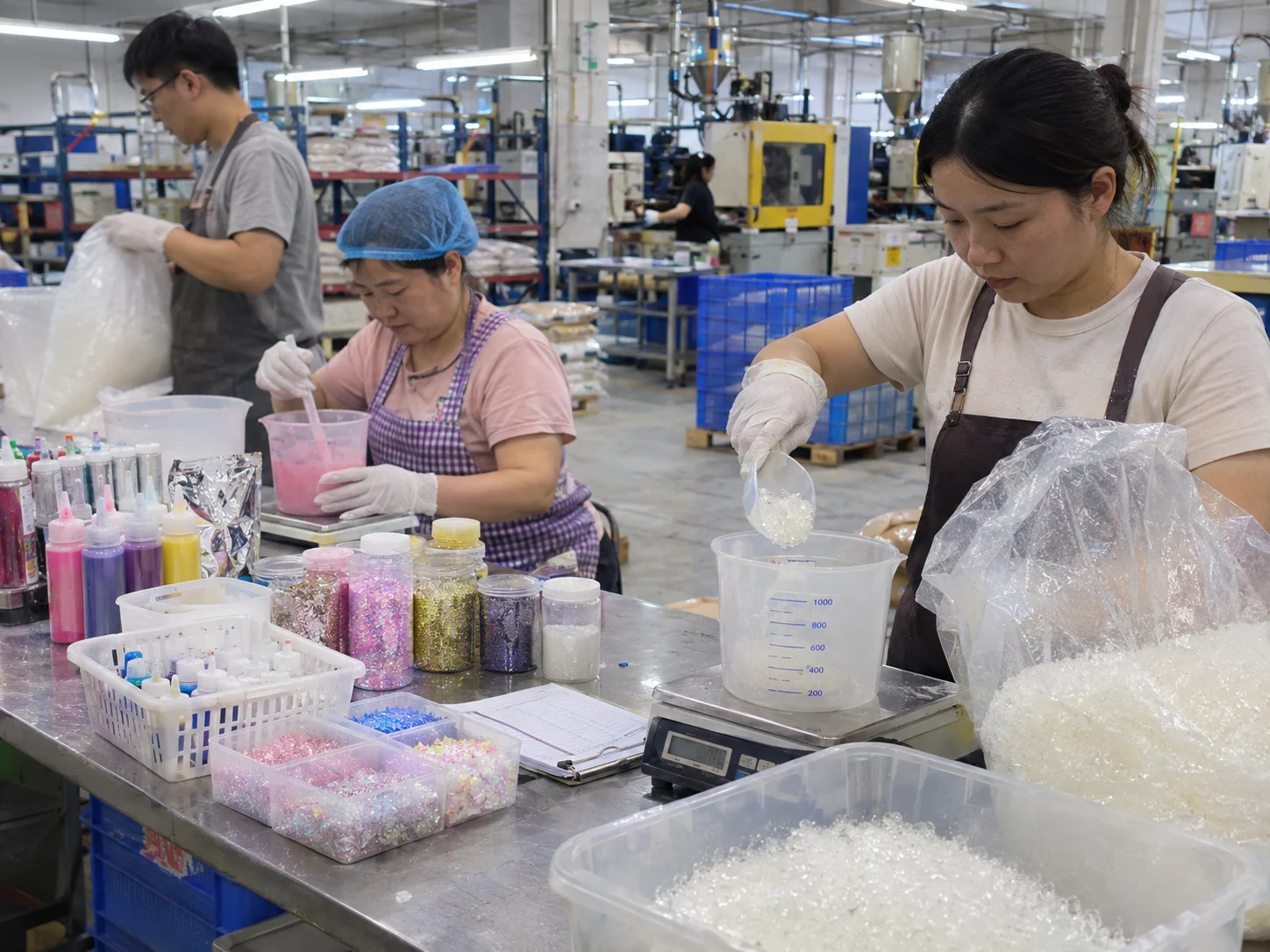
The material and internal structure influence softness, weight, appearance, rebound characteristics, and the manufacturing process.
PU Foam Squishy Toys
Polyurethane (PU) foam is used in certain soft, slow-rising squishy toys.
In a typical moulded PU foam process, a suitable foam formulation is introduced into a mould, expands and cures, and is then removed for finishing.
The foam structure plays a major role in the product's softness and recovery characteristics.
TPR and Other Elastomer-Based Squishy Toys
Thermoplastic rubber (TPR) and related elastomer materials may be used for different types of soft squeeze toys.
Depending on the product design, processing may involve moulding an elastomer component and, where applicable, assembling it with a separate filling.
The finished texture and rebound experience depend on the actual material formulation and product construction.
Comparing Different Squishy Toy Constructions
| Product Type | General Characteristics |
|---|---|
| Moulded PU foam squishy | Soft foam body; certain formulations provide slow recovery |
| TPR or elastomer squeeze toy | Flexible body; texture depends on material and construction |
| Filled sensory squeeze toy | Separate outer body and filling; performance depends on both components |
| Custom material design | Requires product-specific manufacturing evaluation |
These are general manufacturing categories, not interchangeable specifications.
Actual materials, fillings, performance, and suitability must be confirmed for each product.
Factory Tip: Select materials based on your target product experience and destination-market requirements, not appearance alone.
4. Preparing Samples Before Mass Production
Sample development helps turn a design concept into a physical product that can be evaluated.
The exact process differs between existing catalogue products and original manufacturing projects.
Sample Review Checklist
Before approving a sample, buyers should review:
- Shape and dimensions: Does the sample match the agreed design?
- Colour: Are the colours and decorative details acceptable?
- Surface finish: Are there visible defects or unwanted marks?
- Squeezing experience: Does the texture meet expectations?
- Rebound: Does the product behave as intended?
- Weight: Is the product consistent with the target specification?
- Packaging: Does the sample fit the intended retail presentation?
If revisions are needed, they should be documented clearly.
For custom products, final sample approval should be connected to the agreed production specifications.
Why Sample Approval Is Important
A physical sample helps buyers and the factory discuss the same product rather than relying only on computer-generated images or written descriptions.
It can also serve as a reference when reviewing the finished bulk order.
5. Mass Production and Manufacturing Consistency
After the selected product and specifications are confirmed, the factory can plan the applicable production process.
Different designs may require different manufacturing stages.
For example, certain foam products may involve mixing, moulding, curing, demoulding, and finishing.
Other elastomer-based products may use different moulding, finishing, filling, or assembly arrangements.
Common Production Considerations
The factory may need to coordinate:
- Material and component preparation.
- Mould and equipment preparation.
- Production settings.
- Product shaping or moulding.
- Cooling, curing, or other required processing.
- Demoulding and finishing.
- Decoration or assembly where applicable.
- Inspection and packaging.
What Makes Bulk Production Different From Sample Making?
Producing one approved sample is different from manufacturing a larger order consistently.
Bulk production requires attention to:
- Product dimensions.
- Colour consistency.
- Surface appearance.
- Material and component specifications.
- Assembly quality, where applicable.
- Packaging consistency.
- Production and shipment planning.
At Tovimori Toys, our manufacturing discussions focus on translating approved product requirements into practical bulk-order arrangements.
Bulk production requires attention to product consistency, surface appearance, material specifications and packaging.
6. Finishing, Decoration, and Product Appearance
The finishing process can have a major impact on how a squishy toy looks when displayed in a store.
Depending on the design and material, finishing may involve trimming, colour application, printing, decoration, or assembly.
Appearance Details to Confirm
- Product colour and finish.
- Printed graphics or facial expressions.
- Surface texture.
- Decorative placement.
- Packaging compatibility.
- Consistency with the approved sample.
For realistic food-shaped squishy toys, appearance can be especially important because buyers often select products based on their resemblance to familiar food items.
For original characters, accurate facial details and proportions can be equally important.
Buyer Tip: Include clear photographs of the approved sample in your purchasing records, particularly when ordering multiple colour variants.
7. Quality Control Before Packaging
Quality control is not limited to checking whether the finished product looks attractive.
A useful inspection process considers the requirements agreed for the specific product.
Product Quality Checklist
| Inspection Area | What to Review |
|---|---|
| Appearance | Colour, surface, shape, visible defects |
| Dimensions | Conformity with agreed product measurements |
| Weight | Consistency with approved specifications |
| Texture | Expected softness and squeezing experience |
| Rebound | Recovery behaviour where relevant |
| Construction | Seams, closure integrity, or assembly where applicable |
| Packaging | Quantity, presentation, and condition |
| Labeling | Required information for the destination market |
The actual inspection procedure depends on product design, applicable requirements, and the agreed order specifications.
Product Safety and Testing Documentation
Toy safety requirements vary between markets.
For example, the United States has applicable toy safety rules, including ASTM F963 requirements incorporated into federal regulations. Relevant children's products may require third-party testing and certification.
For European Union markets, toy safety and conformity-assessment requirements also apply.
Testing documents should match the relevant product, materials, intended age group, and applicable requirements.
Important: A test report for one product should not automatically be assumed to cover every SKU in a wholesale catalogue.
Buyers should confirm the documentation required for their destination market before production and shipment.
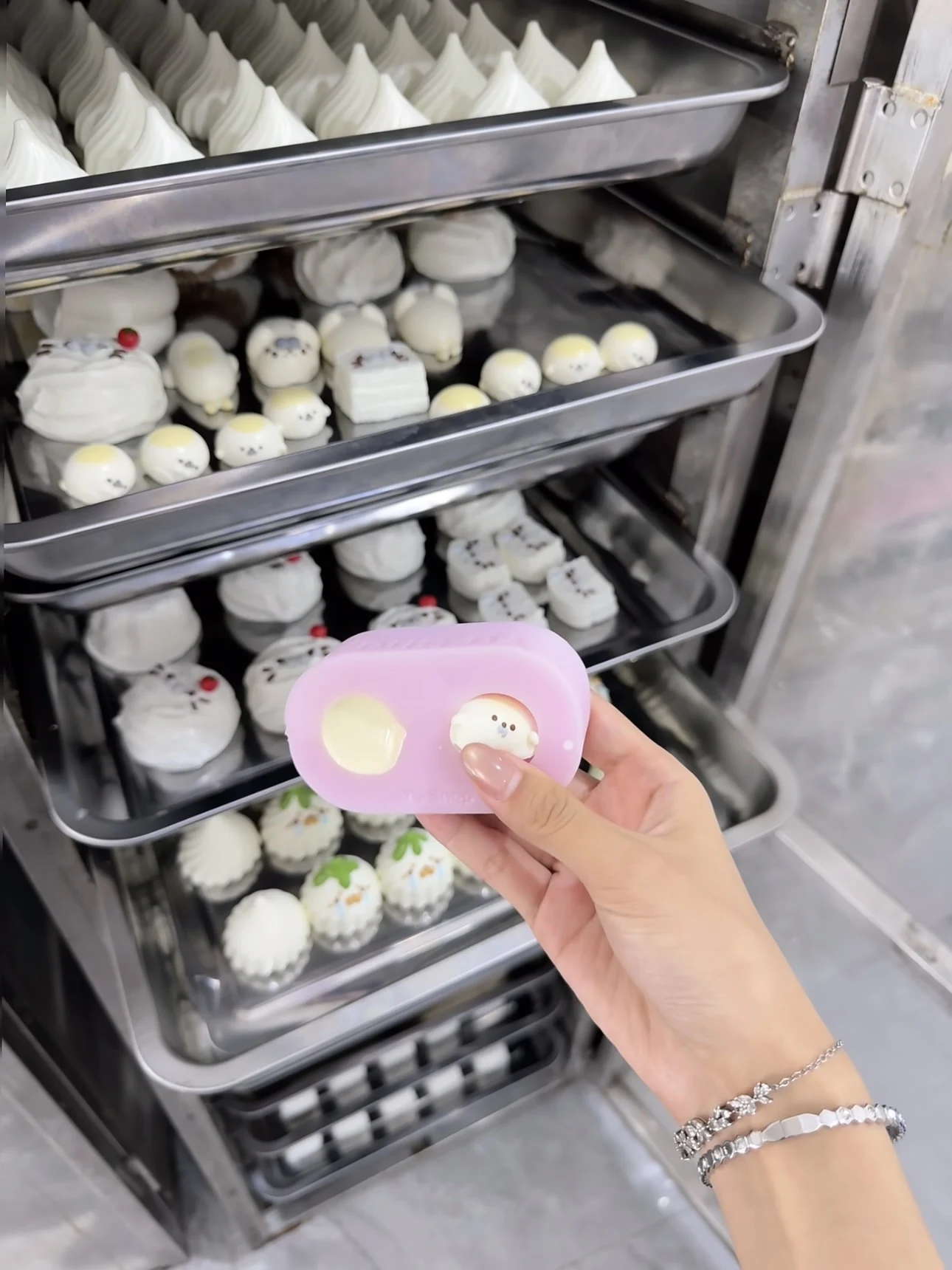
8. Packaging for Wholesale and Retail Orders
Once the products have completed the relevant production and quality steps, packaging is prepared according to the agreed order requirements.
Different buyers may need different packaging formats.
Common Packaging Options
- Standard bulk packaging.
- Individual retail bags.
- Printed product cards.
- Hang tags and branded labels.
- Retail display boxes.
- Gift boxes.
- Custom private label packaging.
Packaging feasibility depends on the product's dimensions, material, quantities, and the selected packaging process.
What Packaging Information Should Buyers Confirm?
Before placing an order, confirm:
- Pieces per retail package.
- Pieces per display box, if applicable.
- Pieces per shipping carton.
- Carton dimensions.
- Gross and net weights where available.
- Labeling requirements.
- Branding and artwork approval.
- Destination-market packaging requirements.
Accurate carton information is important for estimating shipping costs and planning warehouse space.
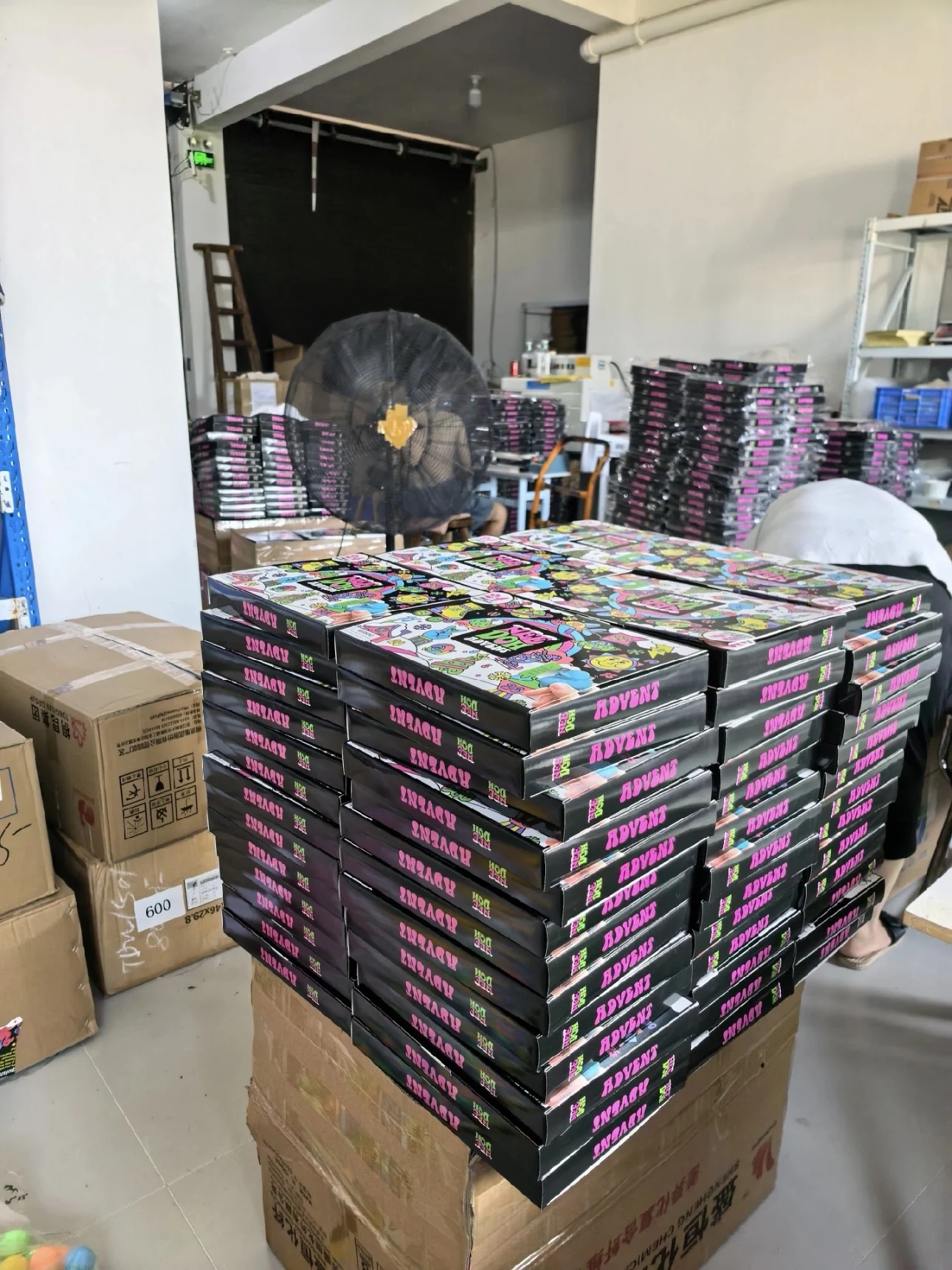
9. Preparing Squishy Toys for International Shipping
For international wholesale orders, manufacturing and shipping planning should be coordinated before the goods are ready.
Important details include:
- Destination country and delivery location.
- Selected shipping method.
- Carton quantities and dimensions.
- Total gross weight and shipment volume.
- Product materials and construction.
- Applicable import documents.
- Agreed commercial terms.
Some sensory toys contain gels or other fillings that may require additional courier or freight review.
Shipping arrangements should therefore be confirmed according to the actual product and destination.
Common Trade Terms
Buyers may request quotations under:
- EXW: Ex Works.
- FOB: Free on Board.
- CIF: Cost, Insurance and Freight.
- DDP: Delivered Duty Paid.
The availability and responsibilities of each arrangement must be checked for the intended shipment.
Read Our Wholesale Buying Guide
10. Work with Tovimori Toys on Your Next Squishy Toy Project
Whether you are expanding an existing retail collection or developing a new private label product, understanding the manufacturing process makes purchasing decisions easier.
At Tovimori Toys, we focus on factory-direct squishy toy wholesale, OEM/ODM manufacturing, and custom packaging services for international business buyers.
How to Start a Manufacturing Inquiry
- Choose an existing product or prepare your original design.
- Share reference images and the desired dimensions.
- Specify your expected purchasing quantity.
- Describe any material, packaging, or branding requirements.
- Provide your destination country and target delivery schedule.
- Submit your requirements to our factory team.
We can then review the project requirements and discuss the appropriate quotation and production arrangements.
Explore Our Services
Wholesale Squishy Toys
Custom Squishy Toy Manufacturing
Request Factory Pricing
Tovimori Toys — China Squishy Toy Manufacturer
Factory Direct Wholesale | OEM/ODM Product Development | Custom Packaging | Global Export Support