Existing Catalogue vs Custom Squishy Toys: Which Should You Choose?
Compare existing catalogue squishy toys, private label packaging and fully custom manufacturing. Learn how to choose the right sourcing route for your budget, MOQ, timeline and brand.
Many toy wholesalers, importers and retail brands face the same question when sourcing squishy toys from China:
Should you buy an existing product design, customize the packaging or develop a completely new squishy toy?
The right choice depends on your business goals, expected order quantity, budget, launch schedule and the level of product exclusivity you need.
At Tovimori Toys, we offer factory-direct squishy toy wholesale, private label solutions and OEM/ODM product development. Each purchasing route has different requirements.
This guide compares three practical approaches and helps you decide which one fits your business.
1. Understanding the Three Purchasing Options
Before requesting a quotation, it helps to distinguish three different manufacturing arrangements.
Option A: Existing Catalogue Squishy Toys
Choose a design from an established product catalogue and order it using the available specifications.
This option is suitable for buyers who want to evaluate existing products without developing a completely new toy.
Typical requirements:
- Select product SKUs.
- Confirm available designs and specifications.
- Check current inventory or production arrangements.
- Confirm MOQ and carton quantities.
- Choose the agreed packaging and shipping terms.
Important: An existing catalogue design does not automatically mean the product is currently in stock. Availability should be confirmed before ordering.
Browse Tovimori Toys Product Catalogue
Option B: Existing Products with Private Label Packaging
This approach combines an existing toy design with suitable branded packaging.
Depending on the selected product, packaging options may include:
- Printed retail bags.
- Custom labels.
- Branded hang tags.
- Product display boxes.
- Gift boxes.
- Packaging inserts.
This route may be suitable for retailers and brands that want recognizable packaging without developing an entirely new product shape.
However, packaging printing may have its own minimum quantity and production requirements.
Explore Private Label Packaging
Option C: Fully Custom OEM/ODM Squishy Toys
For an original product concept, the project may require design development, new tooling, sample evaluation and specific manufacturing arrangements.
A custom project may involve:
- Product concept review.
- Material and construction evaluation.
- Dimension and design confirmation.
- Mould development.
- Prototype and sample approval.
- Manufacturing planning.
- Quality and packaging review.
- Bulk production.
This route is particularly relevant to brands developing original characters or exclusive product collections.
Explore Custom Squishy Toy Manufacturing
2. Existing vs Private Label vs Custom: A Practical Comparison
The three options have different trade-offs.
| Buying Factor | Existing Catalogue | Private Label | Full OEM/ODM |
|---|---|---|---|
| Product design | Existing design | Usually an existing design | Original or extensively modified design |
| New mould | Usually not required | Usually not required for packaging-only changes | May be required |
| Branding | Standard presentation | Custom branding and packaging | Product and packaging branding |
| Sample work | Product sample review | Product and packaging review | Development and prototype approval |
| MOQ | Product-specific | Product and printing requirements | Project-specific manufacturing MOQ |
| Tooling cost | Usually none for the buyer | Depends on requested changes | May require tooling investment |
| Development complexity | Lower | Moderate | Higher |
| Product exclusivity | Generally limited | Branding may be distinctive | Depends on the design and contract |
| Best suited for | Wholesale product selection | Retail brands and private labels | Original product development |
This comparison describes typical project differences, not guaranteed prices, lead times or minimum quantities.
Factory Tip: Choose the least complex manufacturing route that still meets your actual business requirements.
3. When Existing Catalogue Products Make More Sense
Existing squishy toy designs are often worth considering when buyers want to build or expand a product assortment.
Example: A Gift Shop Testing a New Category
Imagine a gift shop preparing to introduce squishy toys alongside its existing products.
The buyer wants to offer several shapes and colours but does not yet know which designs customers will prefer.
Developing an entirely new toy may add unnecessary tooling and sampling work at this stage.
A practical approach is to:
- Select several existing designs.
- Compare their dimensions and textures.
- Review packaging and carton quantities.
- Request samples where appropriate.
- Confirm the MOQ for each SKU.
- Place an initial wholesale order based on the agreed terms.
This lets the retailer evaluate demand for different designs before considering more extensive customization.
Use Real SKU Information
For example, buyers reviewing Tovimori Toys catalogue products can compare known items such as:
- CAT-0107: An existing butter-shaped squishy product.
- CAT-0111: An existing boxed squishy product.
- CAT-0541: A catalogue product with a recorded carton quantity of 288 pieces.
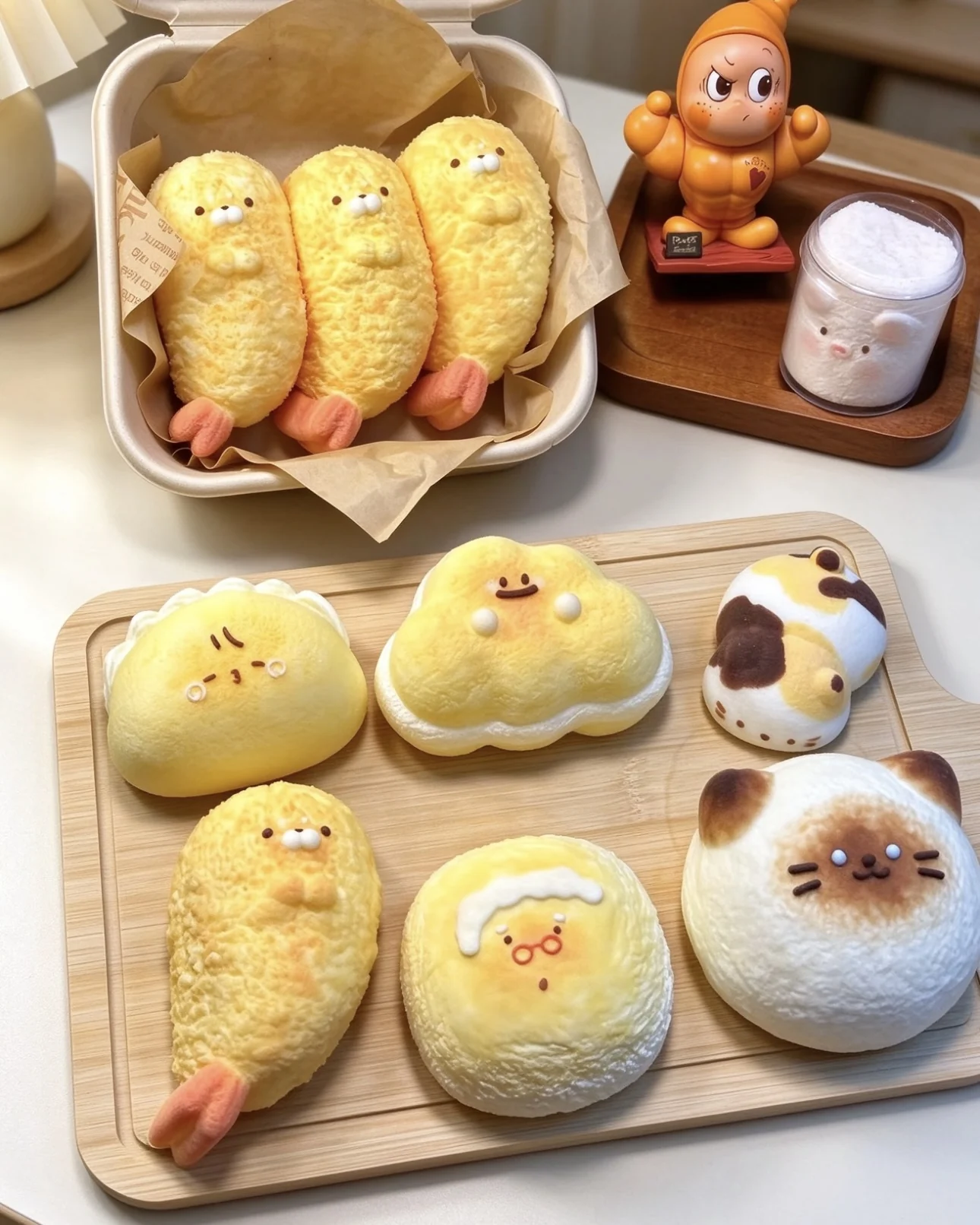
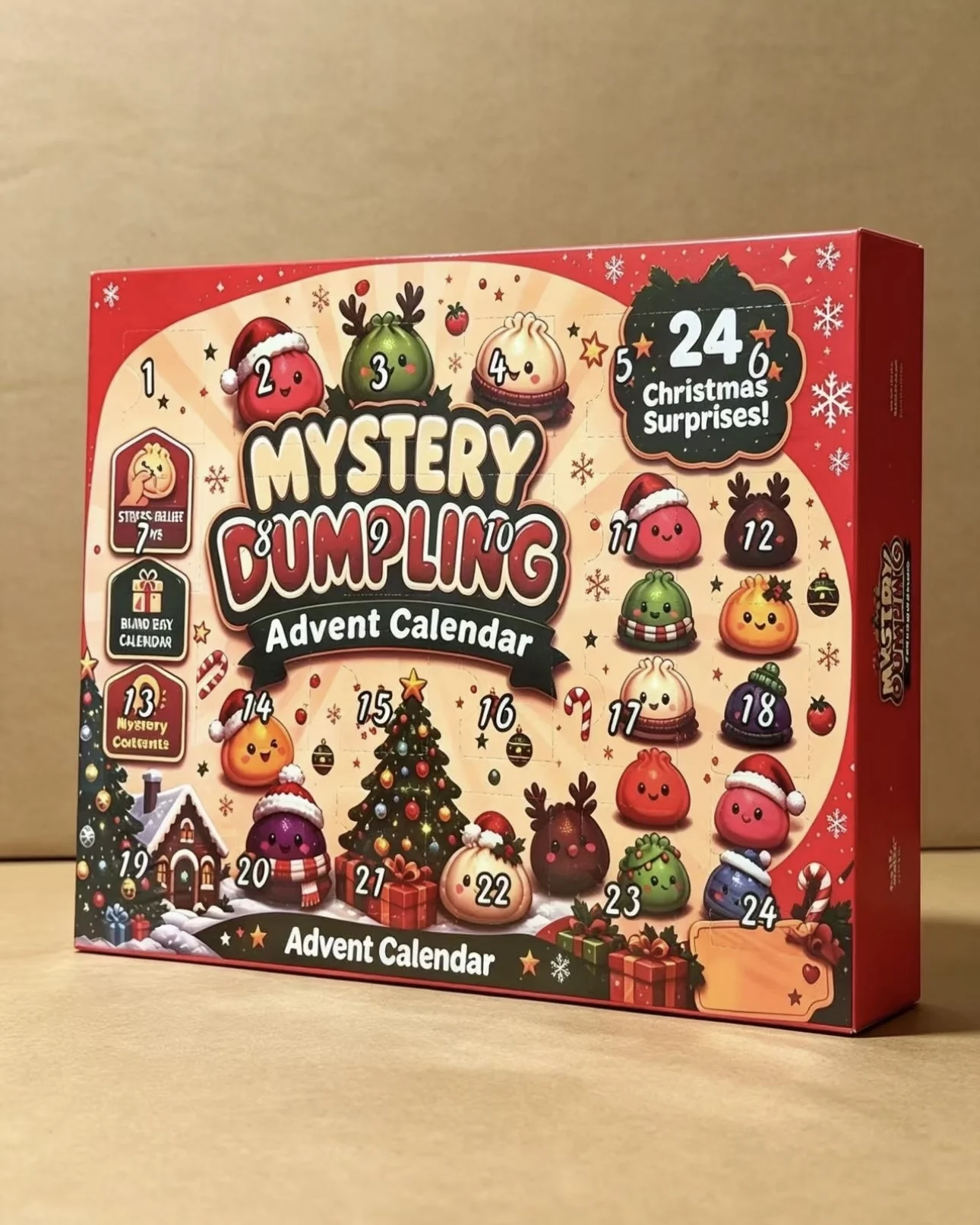
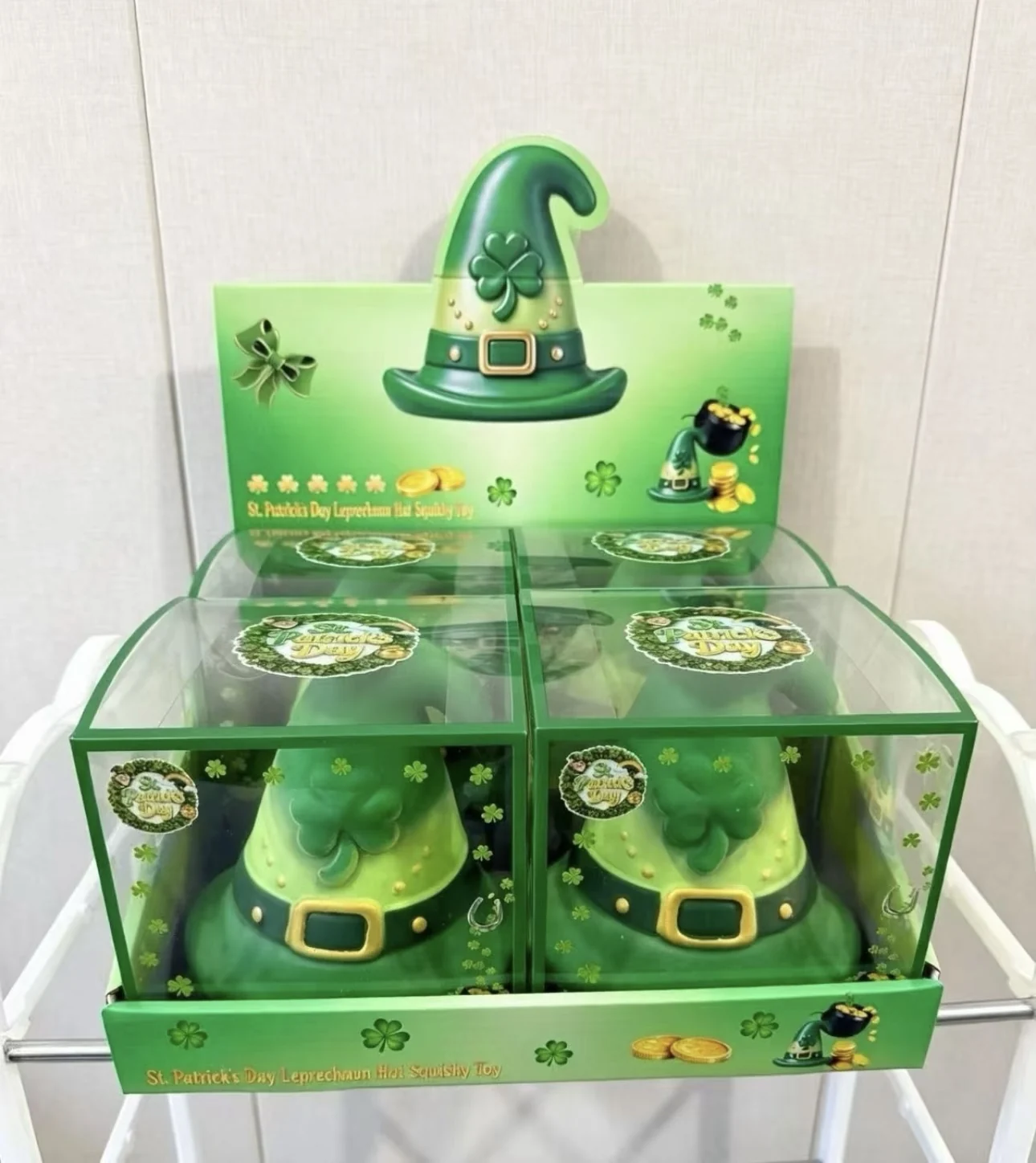 These references illustrate how catalogue products can be identified and compared. They do not confirm current stock, pricing, suitability or production availability.
Always review the current product page and obtain a quotation for the exact SKU before ordering.
When to Choose This Route
Existing catalogue sourcing may be suitable when:
- You do not need an exclusive product shape.
- You want to compare several designs.
- You prefer to avoid new mould development.
- Your retail channel can use existing product formats.
- You want to focus on product selection and purchasing arrangements.
Buyer Tip: Ask for a quotation that identifies each SKU separately rather than combining different products into one unspecified item.
4. When Private Label Packaging Is the Better Choice
For some buyers, the main business objective is not to invent a new toy.
It is to sell a product collection under a recognizable brand.
In these situations, private label packaging may provide a suitable middle ground.
Example: A Retail Brand Launching a Squishy Collection
A retailer wants to introduce a coordinated product range using its own logo, packaging colours and gift-box presentation.
The brand may be able to select suitable existing products and focus its development work on packaging.
A practical project brief would include:
- Selected product SKUs.
- Brand logo files.
- Proposed packaging format.
- Retail display requirements.
- Packaging artwork.
- Expected purchase quantity.
- Destination country.
- Applicable labeling requirements.
The factory can then review printing and packaging feasibility.
What Should You Confirm?
| Packaging Question | Why It Matters |
|---|---|
| Does the selected product fit the proposed box? | Prevents packaging size problems |
| Is new printing required? | Affects production setup |
| What is the packaging MOQ? | May differ from product MOQ |
| Are samples needed? | Helps verify artwork and dimensions |
| What labels are required? | Supports market-specific compliance |
| Can the packaging be reused for repeat orders? | Supports future purchasing plans |
Factory Tip: Finalize product dimensions before approving printed packaging artwork.
Changing product dimensions after the packaging has been designed can create additional development work.
Learn About Tovimori Toys Private Label Services
5. When Fully Custom Manufacturing Is Worth Considering
Original product development is different from simply selecting a colour or adding a brand label.
A fully custom squishy toy may require new design work, tooling and physical sample validation.
Example: A Brand Developing Its Own Character
Imagine a brand with an original character design.
The brand wants a specific shape, facial expression, size and squeezing experience that are not available in a catalogue.
In this case, a custom manufacturing project may be appropriate.
The process typically begins with:
- Sharing original artwork and reference images.
- Defining the required product dimensions.
- Discussing materials and construction.
- Reviewing manufacturing feasibility.
- Evaluating tooling needs.
- Preparing and approving samples.
- Confirming packaging and regulatory requirements.
- Planning bulk production.
Custom Production Requires Clear Specifications
Buyers should prepare more than a single reference image.
Useful information includes:
- Front and side views.
- Height, width and thickness.
- Colours and surface details.
- Intended texture and rebound behaviour.
- Product materials or construction preferences.
- Packaging requirements.
- Target destination market.
- Estimated order quantity.
A clear technical brief makes it easier to evaluate feasibility and prepare a meaningful quotation.
What About Product Exclusivity?
An original design does not automatically create an exclusive manufacturing arrangement.
If exclusivity is important, buyers should define design ownership, tooling rights, production permissions and confidentiality in writing.
Read Our OEM/ODM Manufacturing Guide
6. Understanding MOQ Across Different Manufacturing Routes
MOQ is one of the biggest differences between catalogue purchasing and custom manufacturing.
It is important to separate three concepts:
Catalogue Product MOQ
The minimum quantity applicable to a selected existing SKU.
Private Label MOQ
The quantity required for the selected product and the applicable custom packaging or printing process.
Custom Manufacturing MOQ
The production quantity required for an original design, which may depend on materials, tooling and manufacturing arrangements.
Does an Existing Product Always Have a Lower MOQ?
Not necessarily.
An existing design may avoid new tooling, but it can still have production, carton or material purchasing requirements.
Likewise, a packaging customization project may require a separate minimum printing quantity.
A new mould project may involve additional development costs and manufacturing thresholds.
What About the 200-Piece Inquiry Threshold?
Tovimori Toys accepts catalogue purchasing inquiries starting from 200 pieces per SKU, subject to the website's inquiry rules.
This is an inquiry threshold, not a guarantee that every SKU, packaging option or custom manufacturing project can be produced at 200 pieces.
The actual MOQ must be confirmed for the selected product and manufacturing arrangement.
Buyer Tip: When requesting prices, specify the expected quantity for each SKU and clearly identify whether you need standard packaging, private label packaging or a new product design.
7. How to Compare Total Project Costs
The lowest quoted unit price is not always the lowest total cost of launching a product.
Buyers should consider the full purchasing arrangement.
Existing Catalogue Costs May Include
- Product unit costs.
- Samples.
- Packaging.
- Freight.
- Applicable taxes and import charges.
Private Label Costs May Also Include
- Packaging design preparation.
- Printing setup.
- Packaging samples.
- Custom printed materials.
- Additional handling or assembly, where applicable.
Custom Manufacturing Costs May Also Include
- Product development.
- Tooling.
- Prototype revisions.
- Special material requirements.
- Product-specific testing.
- Custom packaging.
A Better Way to Compare Quotations
Ask for quotations that clearly distinguish:
- Product unit price.
- Required purchasing quantity.
- One-time development or tooling costs.
- Packaging charges.
- Sample costs.
- Shipping terms.
- Any additional agreed services.
This makes the different manufacturing routes easier to evaluate.
Factory Tip: Compare the total landed-cost assumptions and the value of any reusable tooling or packaging, not only the first unit price shown on a quotation.
8. Consider Your Launch Schedule
Different sourcing routes require different preparation work.
However, production and delivery times should not be assumed without reviewing the actual order.
Existing Catalogue Route
The buyer typically needs to confirm:
- Selected products.
- Current availability or production scheduling.
- Quantity.
- Packaging.
- Delivery arrangements.
Private Label Route
Additional work may include:
- Artwork preparation.
- Packaging specifications.
- Printing feasibility.
- Packaging approval.
Full OEM/ODM Route
Additional work may include:
- Design review.
- Tooling preparation.
- Prototype development.
- Sample revision.
- Final technical approval.
The final schedule depends on the product, order quantity, production requirements and shipping destination.
Buyer Tip: If your business has a fixed launch date, share it at the beginning of the inquiry rather than waiting until the product development stage.
9. Which Option Should Your Business Choose?
Use the following decision guide to identify the most suitable starting point.
| Your Business Goal | Suggested Starting Route |
|---|---|
| Test several squishy toy styles | Existing catalogue |
| Expand an established retail assortment | Existing catalogue |
| Sell existing products with your own packaging | Private label |
| Create a coordinated branded gift collection | Private label, subject to product and packaging feasibility |
| Develop an original character toy | Full OEM/ODM |
| Produce a unique product shape | Full OEM/ODM |
| Avoid new product tooling | Existing catalogue or packaging-only customization |
| Seek exclusive manufacturing rights | Custom development with a suitable agreement |
These are starting recommendations. The final decision should be based on the actual design, budget, quantities and commercial requirements.
Our Recommendation for First-Time Buyers
If you are entering the squishy toy category for the first time, begin by reviewing suitable catalogue products and understanding their specifications.
If you already have a successful product collection and want stronger brand presentation, evaluate private label packaging.
If your business requires a distinctive original product, prepare a custom manufacturing brief and discuss OEM/ODM development.
10. Prepare the Right Inquiry for Each Project
A useful inquiry should make your manufacturing requirements clear.
Existing Catalogue RFQ
Include:
- Selected SKUs.
- Quantity per SKU.
- Destination country.
- Preferred shipping terms.
- Any packaging requirements.
Private Label RFQ
Include the catalogue information plus:
- Logo files.
- Packaging references.
- Proposed retail packaging.
- Number of product variants.
- Branding requirements.
Custom OEM/ODM RFQ
Include:
- Original artwork or reference images.
- Product dimensions.
- Material and texture preferences.
- Estimated quantity.
- Colour variants.
- Packaging requirements.
- Destination market.
- Desired launch schedule.
The more specific the brief, the easier it is to identify a practical manufacturing arrangement.
11. Start Your Project with Tovimori Toys
Whether you are purchasing existing squishy toys or developing a new branded collection, choosing the right manufacturing route helps keep the project focused.
At Tovimori Toys, we provide factory-direct wholesale, private label packaging and OEM/ODM development services for international business buyers.
Explore Your Options
Want to purchase existing squishy toys?
Browse Our Wholesale Product Catalogue
Want custom packaging for your brand?
Explore Private Label Solutions
Want to develop an original product?
Ready to request a quotation?
Send Your Purchasing Requirements
Submitting an inquiry does not require payment or create a confirmed purchase order. Final product specifications, MOQ, pricing and production arrangements are confirmed through the quotation process.
Tovimori Toys — China Squishy Toy Manufacturer
Factory Direct Wholesale | Private Label Packaging | OEM/ODM Manufacturing | Global Export Support