Squishy Toy Packaging Guide: Retail Packs, Display Boxes & Shipping Cartons
Compare individual retail packs, display boxes, bulk packaging and shipping cartons for wholesale squishy toys. Learn how packaging affects branding, carton quantities, freight costs and retail presentation.
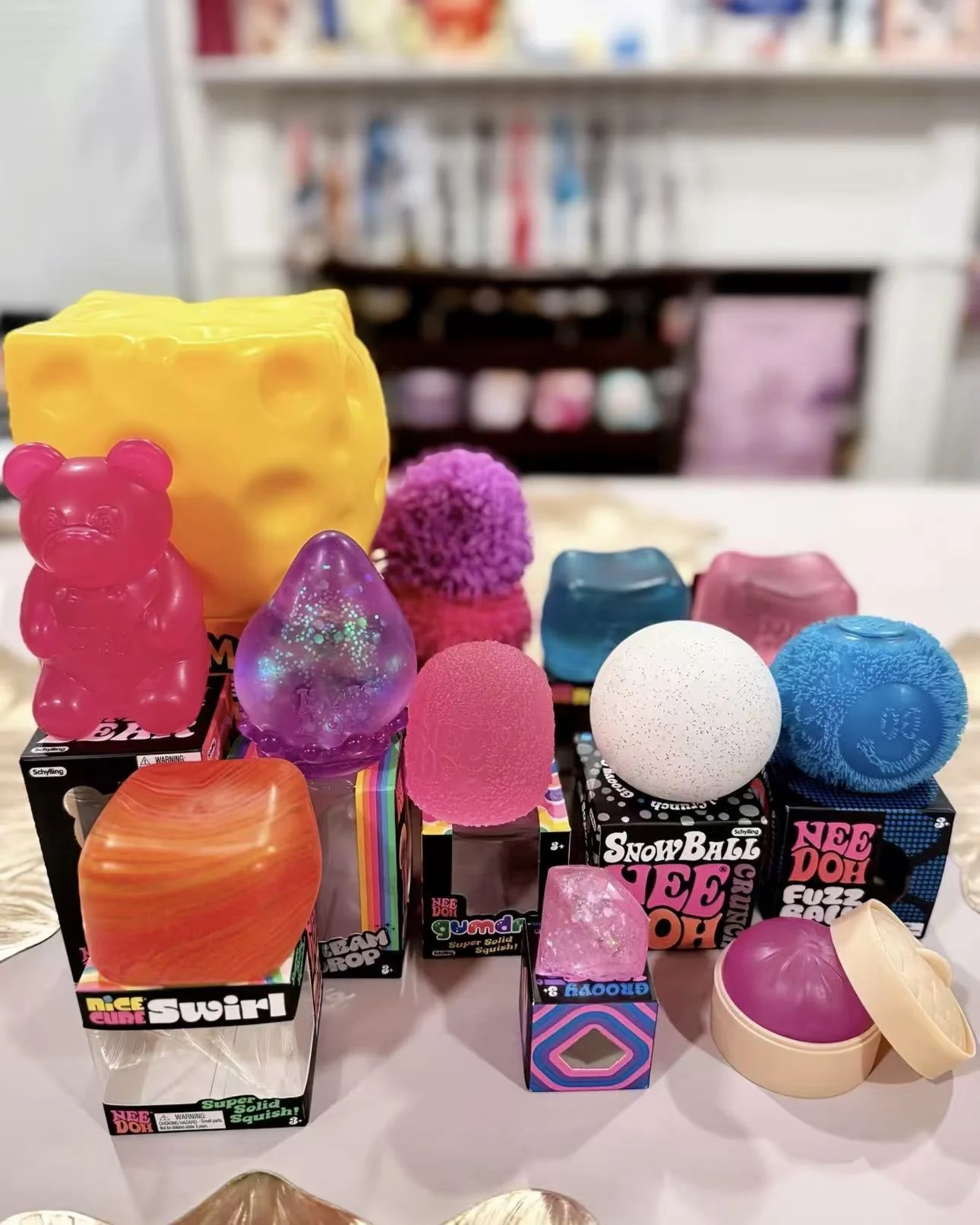
For wholesale squishy toy buyers, packaging is more than a bag or a box. It affects how products are displayed, protected, counted, shipped, stored and presented to retail customers.
A gift shop may need individually packaged toys that can hang on shelves. A specialty toy retailer may prefer countertop display boxes. An importer distributing products to several stores may focus on master carton quantities and shipping efficiency.
Choosing the right packaging format can help you plan your product assortment, compare quotations and avoid unnecessary costs.
At Tovimori Toys, we support factory-direct squishy toy wholesale and project-specific packaging discussions for international business buyers.
This guide explains the main packaging options, how to evaluate them and what information to request before placing a bulk order.
1. Understanding the Three Levels of Toy Packaging
Wholesale packaging is easier to understand when it is divided into three levels.
Primary Packaging: The Individual Product
Primary packaging holds or directly surrounds the toy.
Depending on the product, it may involve a suitable retail bag, protective wrap, box or other approved packaging format.
Secondary Packaging: The Retail Display
Secondary packaging groups products for presentation or handling.
For example, a countertop display box may hold multiple individually packaged squishy toys.
Tertiary Packaging: The Shipping Carton
The shipping carton, often called a master carton, is used to group products for transportation and warehouse handling.
Its dimensions and packed weight help determine shipping volume and logistics requirements.
Packaging Comparison
| Packaging Level | Main Purpose | Buyer Consideration |
|---|---|---|
| Individual retail pack | Present and protect one product | Branding, display and labeling |
| Display box | Organize multiple products | Shelf space and product count |
| Master carton | Transport bulk quantities | Carton quantity, CBM and weight |
Not every wholesale order requires all three packaging levels.
The suitable arrangement depends on the selected SKU, retail channel, product construction and applicable requirements.
2. Individual Retail Packaging Options
Individual packaging can influence how customers experience a toy before purchasing it.
The right format depends on the product's dimensions, material, appearance and sales channel.
Clear Retail Bags
Clear bags can allow customers to see the product without opening the package.
They may be worth considering when the toy's shape, colour and surface appearance are important selling points.
Buyers should confirm the bag's suitability, dimensions, sealing method and applicable warning or labeling requirements.
Printed Packaging Bags
A printed bag may include the brand name, product information, artwork and other approved details.
It can provide a more consistent branded presentation than plain packaging.
Printing requirements and minimum quantities should be reviewed before ordering.
Hang Tags and Product Cards
Hang tags or product cards may help retailers organize products on pegboards or hooks.
The factory should confirm whether the selected product and packaging can support the intended display method.
Individual Retail Boxes
Retail boxes may be appropriate for certain gift-oriented products or branded collections.
However, a larger box can also increase shipping volume and storage requirements.
How to Choose
| Retail Requirement | Packaging to Evaluate |
|---|---|
| Show the product clearly | Suitable transparent packaging |
| Display products on hooks | Compatible hang tags or hanging packs |
| Highlight brand graphics | Printed bags or retail boxes |
| Create a gift presentation | Suitable gift packaging |
| Minimize unnecessary packaging volume | Compact packaging approved for the product |
Buyer Tip: Request photographs of the actual packaging format for the selected SKU. A packaging option available for one squishy toy is not automatically available for every product.
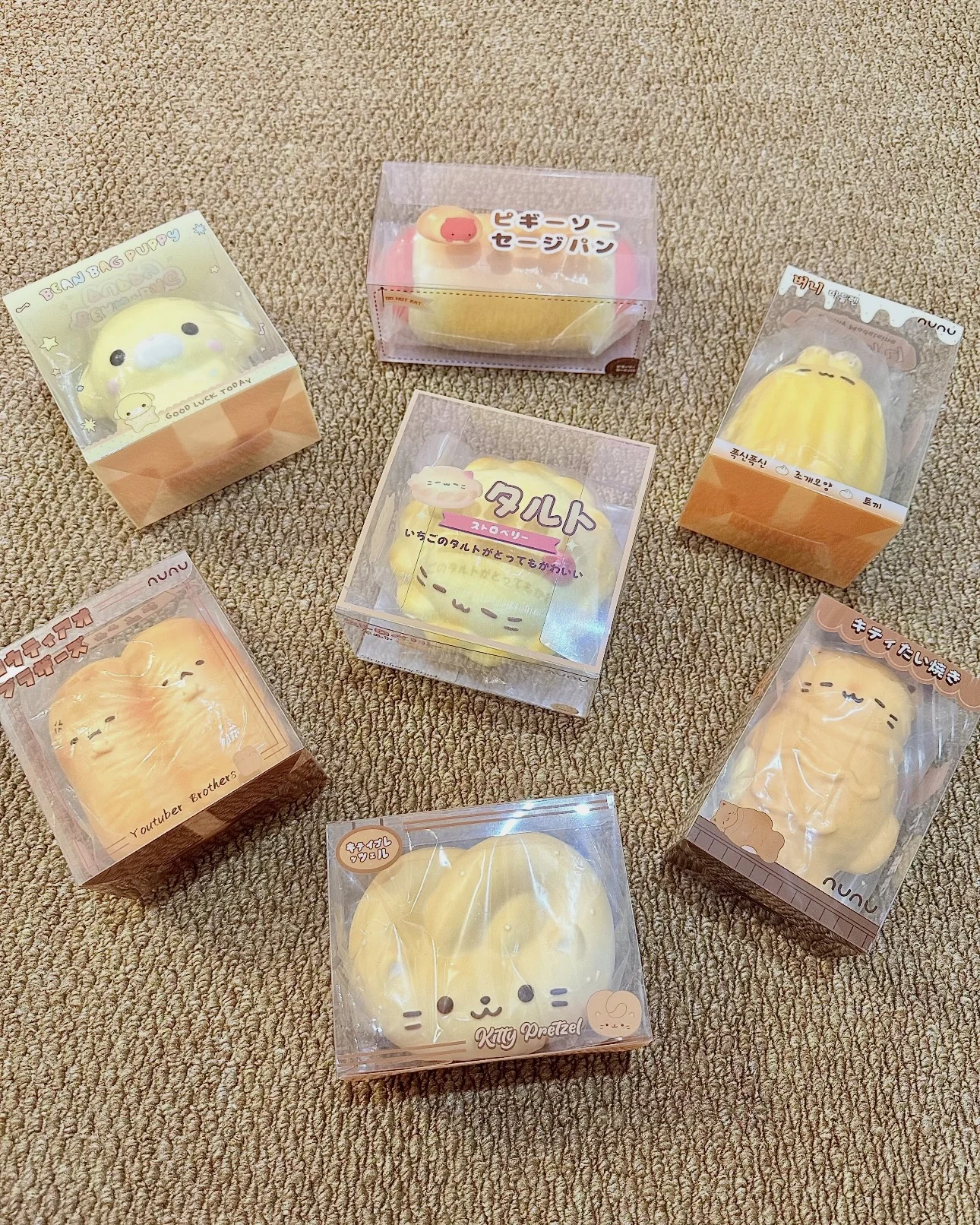
3. Countertop Display Boxes and Shelf-Ready Packaging
For many small retail stores, the way products are displayed can matter as much as the outer packaging.
A countertop display box is designed to present multiple products together.
This may be useful for small novelty toys, gift items and impulse-purchase products.
What Makes a Good Display Box?
A practical display box should be evaluated for:
- Product visibility.
- Stable presentation.
- Number of pieces per box.
- Compatibility with the product dimensions.
- Labeling and branding requirements.
- Ease of refilling.
- Retail shelf or countertop space.
Example: Planning a Countertop Display
Imagine a gift shop wants to display 24 squishy toys in one location.
The buyer could consider whether the selected product is suitable for:
- One display holding 24 pieces.
- Two displays holding 12 pieces each.
- A smaller presentation combined with individual hanging packs.
These are hypothetical display arrangements, not confirmed packaging configurations offered for every SKU.
The correct choice depends on actual product size, packaging availability and available retail space.
Questions to Ask the Factory
- How many units fit into one display?
- What are the assembled display dimensions?
- Is the display supplied assembled or flat-packed?
- Does it include branded graphics?
- Are products individually packaged inside?
- How many displays fit into one master carton?
Factory Tip: If your retail channel depends on countertop displays, confirm the physical display size before approving the packaging artwork.
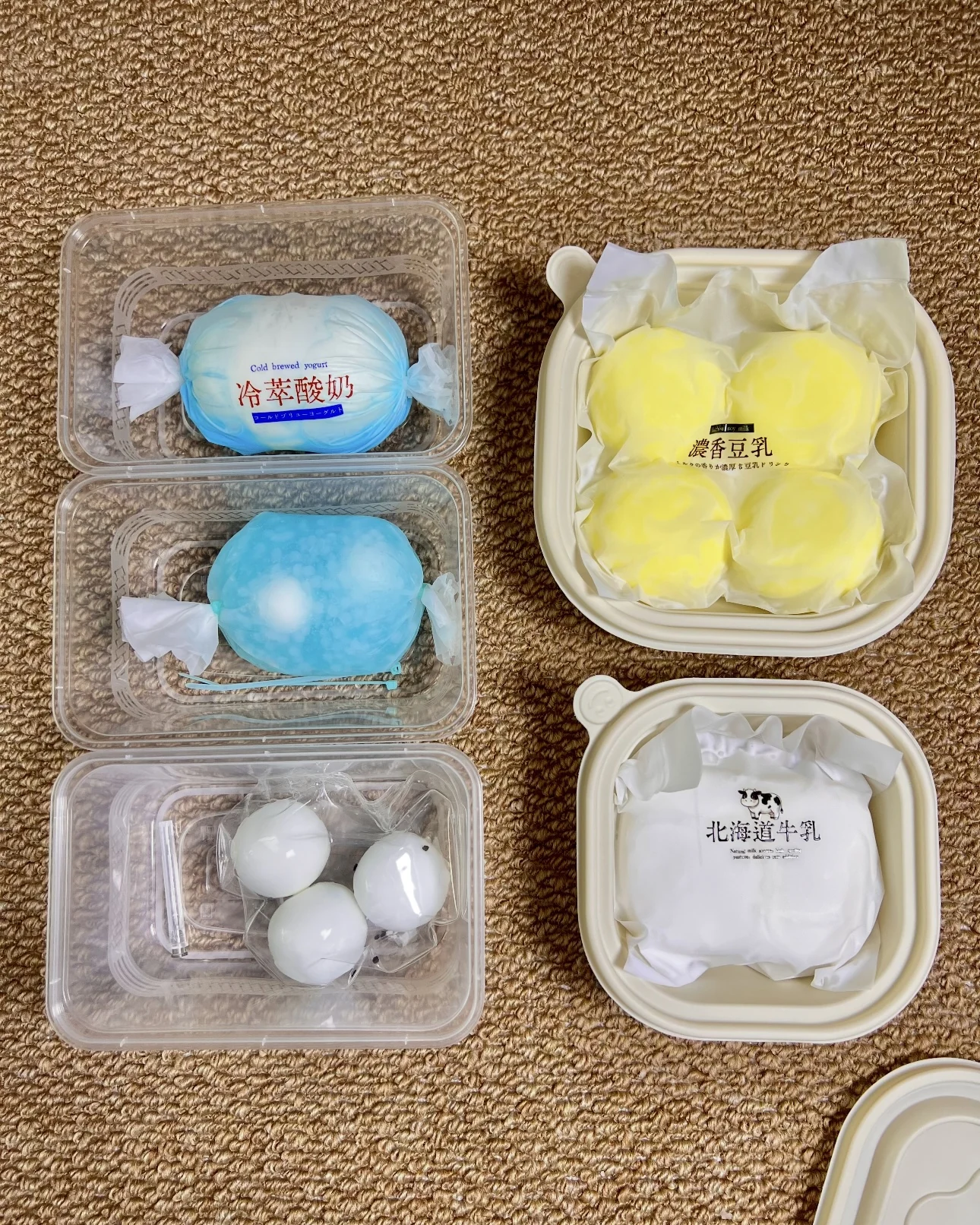
4. Bulk Packaging vs Retail Packaging
Some wholesalers do not need individually branded products.
They may prefer a suitable bulk packaging arrangement for distribution, repacking or use within an existing retail system.
When Bulk Packaging May Be Appropriate
Bulk packaging may be worth discussing when the buyer:
- Supplies products to another packaging operation.
- Handles retail presentation separately.
- Requires consolidated goods for distribution.
- Does not need individually printed retail packs.
However, bulk packing must still provide the necessary product protection and comply with applicable requirements.
It should not be assumed that removing retail packaging is always permitted or cost-effective.
What About Private Label Packaging?
For buyers launching their own brand, packaging customization can be a more relevant investment than developing a completely new toy shape.
Depending on the product and approved manufacturing arrangements, branding may involve:
- Custom labels.
- Printed product cards.
- Branded bags.
- Display box artwork.
- Retail gift boxes.
Printing setup, packaging materials and production quantities can affect the quotation.
Buyer Tip: Ask for the standard product quotation and any custom packaging charges as separate line items. This makes it easier to compare options.
5. Master Cartons: What Wholesale Buyers Need to Know
The master carton is a key part of wholesale purchasing because it connects product quantities with shipping and warehouse planning.
A product listing may show a unit price, but buyers also need carton-level information.
Important Master Carton Specifications
Before confirming an order, request:
- Product SKU.
- Units per individual package.
- Units per display box, if applicable.
- Units per master carton.
- Master carton length, width and height.
- Net weight.
- Gross weight.
- Number of cartons.
- Packaging and carton marking requirements.
Example Carton Information Table
The following is an illustrative example, not an actual Tovimori Toys SKU specification.
| Specification | Example Value |
|---|---|
| Product | Example squishy toy |
| Pieces per carton | 120 pcs |
| Carton dimensions | 50 × 40 × 30 cm |
| Net weight | Not specified |
| Gross weight | 10 kg |
| Carton volume | 0.060 CBM |
| Order quantity | 1,440 pcs |
| Total cartons | 12 cartons |
| Total carton volume | 0.720 CBM |
These numbers are for explaining how carton calculations work.
Actual product quantities, weights and dimensions must come from the confirmed product specifications and packing list.
Why Pieces per Carton Matter
Suppose a buyer orders 1,440 pieces and the approved packing arrangement holds 120 pieces per carton.
The order would require:
1,440 ÷ 120 = 12 cartons
This helps the buyer prepare warehouse space and request a freight quotation.
If different products have different carton quantities, each SKU should be calculated separately.
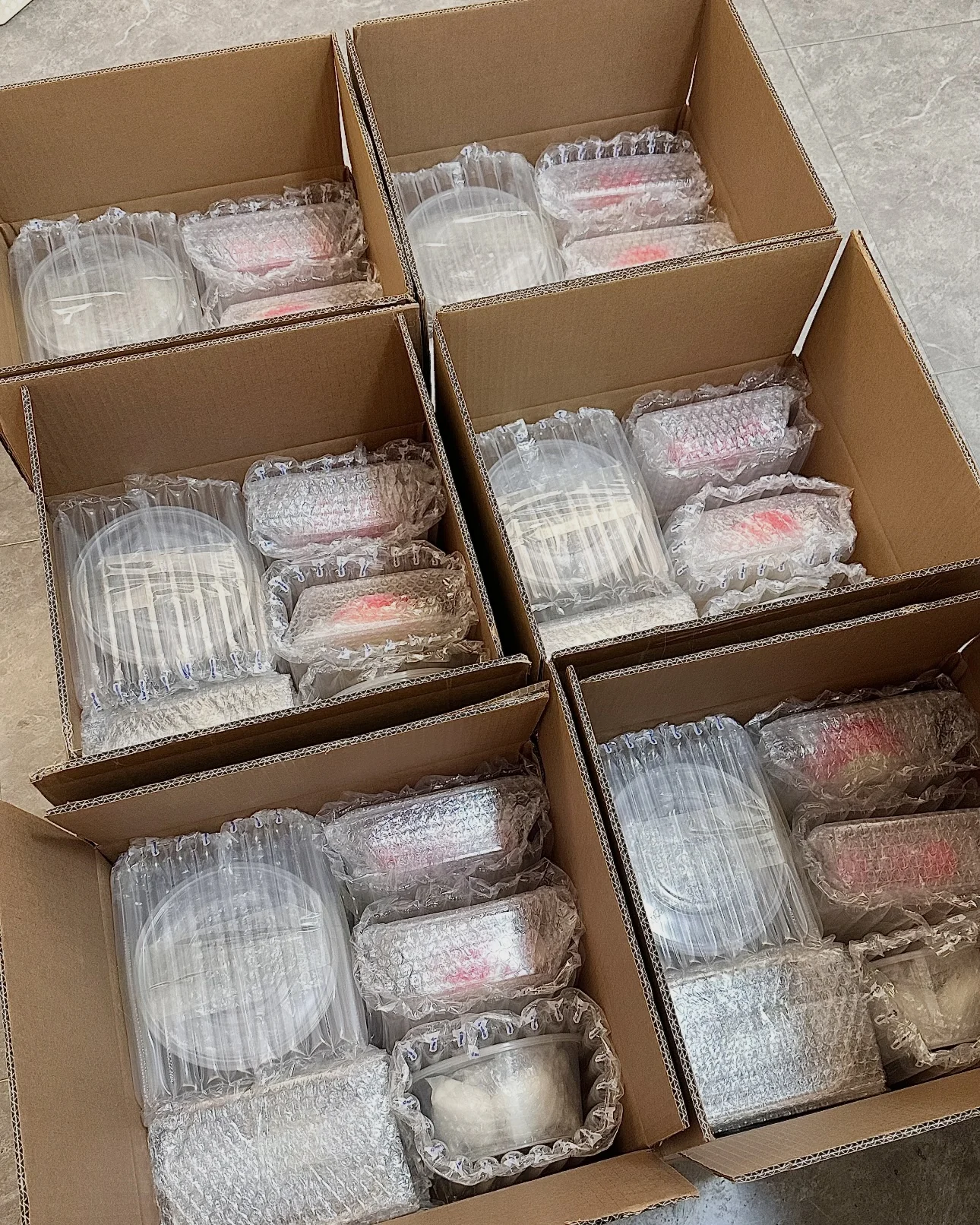
6. How to Calculate Shipping Volume in CBM
CBM stands for cubic metres.
It measures the volume occupied by a shipping carton or shipment.
For a rectangular carton measured in centimetres:
CBM = Length × Width × Height ÷ 1,000,000
Worked Example
Assume a master carton has these dimensions:
- Length: 50 cm
- Width: 40 cm
- Height: 30 cm
The carton volume is:
50 × 40 × 30 ÷ 1,000,000 = 0.060 CBM
If the shipment contains 12 cartons:
0.060 × 12 = 0.720 CBM
The total is therefore 0.720 CBM, based on the example dimensions.
Why CBM Matters
Carton volume can influence:
- Freight quotations.
- Shipping space.
- Warehouse planning.
- Consolidation arrangements.
- Cost comparisons between packaging options.
For example, a bulky retail box may take up more shipping space than a compact packing arrangement, even when the number of toys is identical.
Buyer Tip: Compare packaging options using actual packed carton dimensions, not only the dimensions of the unpackaged toy.
7. Actual Weight vs Dimensional Weight
Freight calculations do not always depend only on physical weight.
Some carriers use dimensional weight to account for the space occupied by relatively light but bulky packages.
Actual Weight
Actual weight is the measured weight of the packed carton.
For shipping quotations, buyers generally need the gross weight, including the carton and packaging materials.
Dimensional Weight
Dimensional weight is calculated from package dimensions using the applicable carrier's divisor.
One commonly used express-parcel example is:
Dimensional Weight (kg) = L × W × H (cm) ÷ 5,000
The correct divisor, rounding rules and billing method depend on the carrier, service and shipment.
Worked Example
Assume:
- Carton dimensions: 50 × 40 × 30 cm.
- Actual gross weight: 10 kg.
- Example dimensional divisor: 5,000.
Dimensional weight:
50 × 40 × 30 ÷ 5,000 = 12 kg
In a service that bills using the greater of actual and dimensional weight, this carton would have a billable weight of 12 kg before any applicable rounding or other adjustments.
The calculation is illustrative and is not a universal rule for sea freight, air freight or every delivery service.
What Buyers Should Confirm
Before accepting a shipping quotation, ask the freight provider:
- Is the charge based on CBM, gross weight or chargeable weight?
- What dimensional weight divisor applies?
- Are there minimum volume or weight charges?
- Are pickup and final delivery included?
- What destination charges may apply?
- Which commercial terms and responsibilities are agreed?
Factory Tip: For squishy toys, a shipping quotation should use the final packed carton information, because packaging changes can affect both size and weight.
8. How Packaging Changes Your Total Purchasing Cost
The packaging decision can influence more than the price of the box itself.
Costs to Consider
| Cost Component | Why It Can Change |
|---|---|
| Product cost | Product material and manufacturing requirements |
| Packaging material | Bag, card, box or display construction |
| Printing setup | Artwork and production requirements |
| Packing labour | Handling and assembly complexity |
| Carton quantity | Different packing arrangements |
| Freight | Packed dimensions and weight |
| Storage | Space occupied by packaged products |
| Product damage | Adequacy of protective packaging |
Compare Two Packaging Proposals Properly
When comparing standard and custom packaging, ask the supplier to identify:
- Product cost per piece.
- Packaging cost per piece.
- One-time setup charges.
- Minimum order quantities.
- Pieces per carton.
- Carton dimensions.
- Gross weight.
- Total carton count.
- Freight quotation assumptions.
A lower product unit price may not always produce the lowest overall purchasing cost.
Likewise, a more expensive retail package may be justified by its branding or display function, depending on the buyer's business model.
Avoid Comparing Different Shipping Terms as If They Were Identical
An EXW product quotation and a delivered quotation cover different responsibilities.
If you compare quotations, identify the agreed Incoterms rule, named place and scope of services.
For example, DDP and EXW are not interchangeable pricing descriptions.
Buyers should confirm the actual arrangements and responsibilities rather than assuming that every quotation includes the same logistics services.
9. Packaging Requirements for Different Retail Channels
Different buyers may prioritize different packaging features.
Gift Shops
Gift shops may value attractive presentation, clear product visibility and compact display formats.
Toy Stores
Toy retailers may need products suitable for shelves, hooks or organized display boxes.
Online Sellers
Online sellers may focus on packaging dimensions, shipping protection, accurate product information and unboxing presentation.
Distributors and Importers
Distributors often need reliable carton quantities, standardized product identification and practical warehouse handling.
Private Label Brands
Brands may prioritize consistent artwork, labels, packaging colours and repeat-order compatibility.
Quick Buyer Comparison
| Buyer Type | Packaging Priority |
|---|---|
| Gift shop | Presentation and display suitability |
| Toy store | Shelf and countertop organization |
| Online seller | Parcel dimensions and product protection |
| Distributor | Carton quantities and logistics data |
| Private label brand | Branded packaging and consistency |
The final choice should reflect the actual sales channel, product design and local labeling requirements.
10. Packaging Quality and Labeling Checks
Packaging must be suitable for the actual product and destination market.
For toys, labeling, warnings, traceability and packaging safety can be important.
Requirements vary according to the country, product characteristics and intended users.
A Practical Packaging Review Checklist
Check the following before production approval:
- Correct product and colour variant.
- Correct SKU and barcode information, if applicable.
- Accurate product quantity.
- Correct brand artwork.
- Required warnings and labels.
- Suitable packaging materials.
- Adequate product protection.
- Correct carton markings.
- Approved carton dimensions and quantities.
Avoid Making Assumptions About Certifications
A packaging sample or product test report should be checked against the exact product and applicable requirements.
Do not assume that one document automatically covers every product, packaging design or destination market.
The buyer and manufacturer should clarify which party is responsible for obtaining required documents, approving labels and reviewing import compliance.
11. Packaging RFQ Checklist for Wholesale Buyers
If you are requesting wholesale squishy toy pricing, include packaging requirements in your initial inquiry.
Product Information
- Selected SKU or product images.
- Estimated order quantity per SKU.
- Number of colour variants.
- Destination country.
Packaging Requirements
- Standard or custom packaging.
- Individual bag, retail box or display box preference.
- Logo and artwork availability.
- Preferred number of pieces per retail pack.
- Display box requirements.
- Labeling requirements.
Shipping Information
- Preferred shipping method.
- Delivery destination.
- Required delivery schedule.
- Preferred quotation terms.
- Any known warehouse or carton restrictions.
Ask for a Complete Quotation
Whenever available, request:
- Product unit price.
- Packaging unit price or included packaging details.
- Applicable MOQ.
- Pieces per master carton.
- Carton dimensions.
- Gross and net weights.
- Total estimated cartons.
- Production schedule.
- Shipping terms.
This information helps buyers compare proposals and estimate their total purchasing requirements.
12. Discuss Wholesale Packaging with Tovimori Toys
At Tovimori Toys, we work with international wholesalers, importers, retailers and private label buyers seeking squishy toys from China.
Whether you need existing catalogue products, suitable retail packaging or a branded product collection, packaging should be evaluated together with the selected SKU and order quantity.
Explore Our Wholesale Products
Browse the Squishy Toy Catalogue
Learn About Factory-Direct Purchasing
Read Our Wholesale Buying Guide
Request Packaging and Product Pricing
When contacting us, include your intended packaging format, estimated quantity and destination country so the relevant manufacturing and quotation requirements can be reviewed.
Tovimori Toys — China Squishy Toy Manufacturer
Factory-Direct Wholesale | Retail Packaging | Private Label Solutions | OEM/ODM Manufacturing